
고정 헤더 영역
상세 컨텐츠
본문
728x90
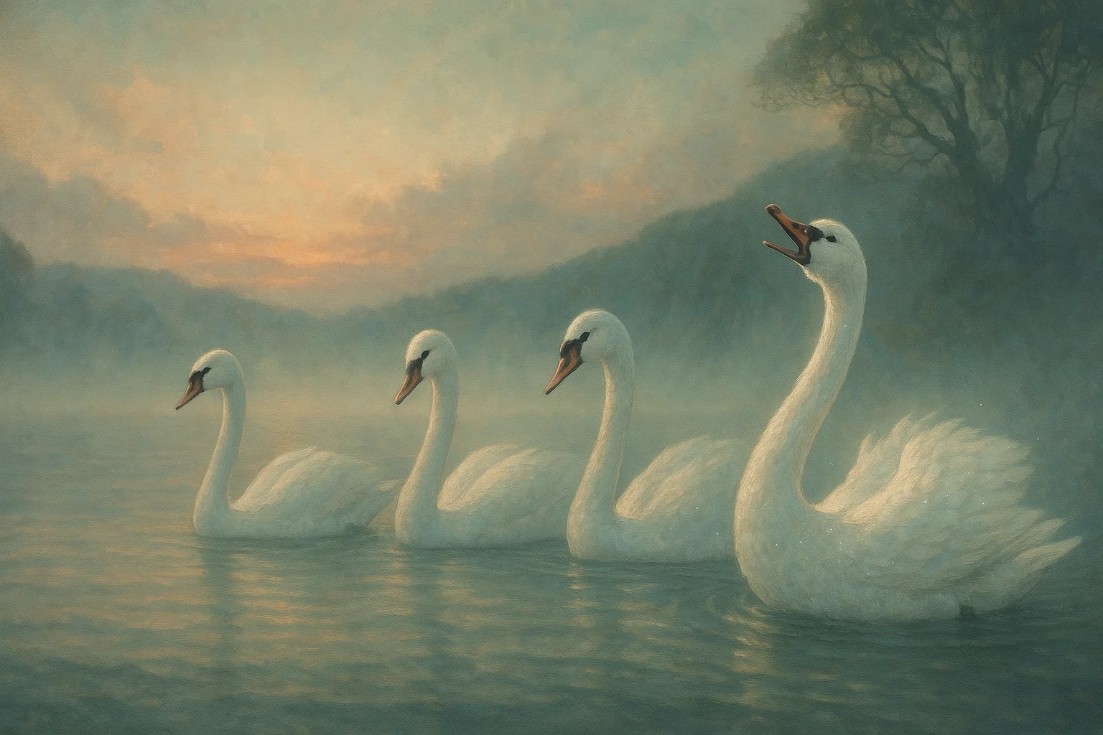
[Celtic Mythology] The Children of Lir: A Song of Sorrow and Endurance
Have you ever felt the weight of a sorrow that time alone couldn’t ease? In Celtic mythology, one of the most hauntingly beautiful tales is that of The Children of Lir—a story of transformation, love, and enduring hope in the face of deep loss.
A Kingdom Blessed with Love
Long ago in the green hills of Ireland, there lived King Lir, a noble warrior and devoted father. After the death of his beloved queen, he married Aoife, the sister of his late wife. At first, she cared for Lir’s four children—Fionnuala, Aodh, and the twins Fiachra and Conn—as if they were her own.
But jealousy grew in Aoife’s heart. She could not bear how much Lir loved his children.
The Swan Spell
In a fit of envy, Aoife used dark magic. On a fateful day by the lake, she transformed the children into swans, cursing them to wander for 900 years—300 on Lake Derravaragh, 300 in the Sea of Moyle, and 300 on the waters of Irrus.
Though swans, they kept their human voices and could still sing. Their songs, filled with sorrow and memory, enchanted all who heard them.
Wandering Through Time
The Children of Lir endured storms, loneliness, and centuries of exile. They watched kingdoms rise and fall, and the old gods fade as a new faith spread across the land.
Finally, after 900 years, a monk heard their song and recognized the truth. With a blessing, he broke Aoife’s curse. The swans turned back into human form—aged and frail, their lives nearly at an end.
They died soon after, buried together, and remembered as symbols of love, endurance, and the passing of eras.
A Mythical Reflection on Loss and Change
This tale is more than a tragedy. It’s a poetic meditation on how love survives through hardship, how beauty can emerge even from pain, and how time transforms all things.
The Children of Lir didn’t fight fate—they sang through it. Their swan-voices remind us that in times of change or sorrow, we can still sing. We can still be heard.
Their legend echoes in Irish culture through poetry, music, and even national symbolism—swans grace Irish currency and literature alike.
Final Reflection
Next time you hear a swan’s call or witness the quiet ripple of a lake, imagine the Children of Lir. Their story teaches us that even through sorrow, we can carry our dignity, our memories, and our voices—across centuries, across silence, across change.
[켈트 신화] 리르의 아이들: 슬픔과 인내의 노래
시간이 흘러도 결코 사라지지 않는 슬픔을 느껴본 적 있으신가요?
켈트 신화 속에서 가장 아름답고도 가슴 아픈 이야기 중 하나가 바로 리르의 아이들(The Children of Lir)입니다.
이것은 변화, 사랑, 그리고 깊은 상실 속에서도 사라지지 않는 희망에 대한 이야기입니다.
사랑으로 축복받은 왕국
아일랜드의 푸른 언덕 어딘가에, 용감하고 자애로운 왕 리르(Lir)가 살고 있었습니다.
그는 아내이자 여왕을 진심으로 사랑했지만, 그녀는 일찍 세상을 떠났습니다.
슬픔 속에서 리르는 그녀의 여동생인 이프(Aoife)와 재혼하게 됩니다.
처음에 이프는 리르의 네 자녀들—피오눌라(Fionnuala), 아이드(Aodh), 그리고 쌍둥이 피아크라(Fiachra)와 콘(Conn)—을 자신의 아이들처럼 돌보았습니다.
하지만 점차 리르가 아이들에게 쏟는 사랑에 대한 질투가 이프의 마음을 물들여가기 시작했습니다.
백조의 저주
질투와 분노에 휩싸인 이프는 어두운 마법을 사용하기로 결심합니다.
운명의 그날, 그녀는 아이들을 호숫가로 데려가,
그들을 백조로 변하게 하는 저주를 걸었습니다.
"너희는 이제부터 900년 동안 떠돌게 되리라.
300년은 데라바라 호수(Lake Derravaragh),
300년은 모일 해협(Sea of Moyle),
그리고 마지막 300년은 이러스의 물 위에서 말이다."
백조가 되었지만, 아이들은 인간의 목소리를 잃지 않았고, 여전히 노래할 수 있었습니다.
그들의 노래는 슬픔과 기억으로 가득했고,
들을 수 있는 이들은 모두 그 소리에 매혹되었습니다.
시간을 헤매며
리르의 아이들은 바람과 파도 속에서 수백 년의 외로움과 고통을 견뎌냈습니다.
그들은 왕국이 일어나고 사라지는 것,
그리고 옛 신들이 사라지고 새로운 믿음이 뿌리내리는 변화의 시대를 지켜보았습니다.
900년의 시간이 흐른 후,
한 수도사가 그들의 노래를 듣고 그 안의 진실을 알아차렸습니다.
그는 신의 축복으로 저주를 풀어주었고, 아이들은 다시 인간으로 돌아올 수 있었습니다.
하지만 그들은 이미 지나치게 늙고 연약해져 있었고,
얼마 지나지 않아 세상을 떠나게 됩니다.
그들은 함께 묻혔고, 사랑과 인내, 시대의 흐름을 상징하는 존재로 기억되게 되었습니다.
상실과 변화에 대한 신화적 성찰
이 이야기는 단순한 비극이 아닙니다.
그것은 고통 속에서도 살아남는 사랑,
슬픔 속에서도 피어나는 아름다움,
그리고 시간 앞에서 모든 것이 변한다는 진실을 담은 시적인 명상입니다.
리르의 아이들은 운명에 맞서 싸우기보다는, 노래하며 견뎌냈습니다.
그들의 백조의 노래는 우리에게 말합니다:
“변화와 상실의 시기에도, 우리는 여전히 노래할 수 있습니다.
우리는 여전히 들릴 수 있습니다.”
오늘날까지도 그들의 전설은 아일랜드의 문학과 음악, 국가 상징 속에 살아 있으며,
백조는 화폐, 문학, 예술 속에서 그들의 흔적을 남기고 있습니다.
마지막 성찰
다음에 백조의 울음소리를 듣거나, 고요한 호수 위의 잔잔한 물결을 볼 때,
리르의 아이들을 떠올려 보십시오.
그들의 이야기는 우리에게 속삭입니다:
슬픔 속에서도 품위를 잃지 않고,
기억과 목소리를 지켜내며,
시간과 침묵, 변화의 흐름을 넘어 살아가는 법을.

728x90
'이야기를 담다 > 신화와 설화' 카테고리의 다른 글
| [마야 신화] 영웅 쌍둥이: 슈발랑케와 후나후의 지하세계 여정 (0) | 2025.04.08 |
|---|---|
| [중국 신화] 항아와 달: 사랑과 희생, 그리고 불멸의 전설 (0) | 2025.04.08 |
| [아메리카 원주민 전설] 무지개 까마귀 이야기: 이타적 용기의 전설 (0) | 2025.04.08 |
| [노르드 신화] 토르와 미드가르드 뱀: 천둥의 신이 맞서는 최후의 적 (0) | 2025.04.08 |
| [이집트 신화] 라의 여정: 어둠 속을 항해하는 태양신 (0) | 2025.04.08 |
"지식의 씨앗을 심고, 지혜의 열매를 맺다. 다담출판은 깊이 있는 콘텐츠로 세상을 풍요롭게 만듭니다."
일부 글은 인공지능에 의해 작성되었으며, 일부 내용에 오류가 있을 수 있음을 알려드립니다.
 "생각을 담다, 가치를 담다, 다담." © DADAM cop. with Magazine Lab


